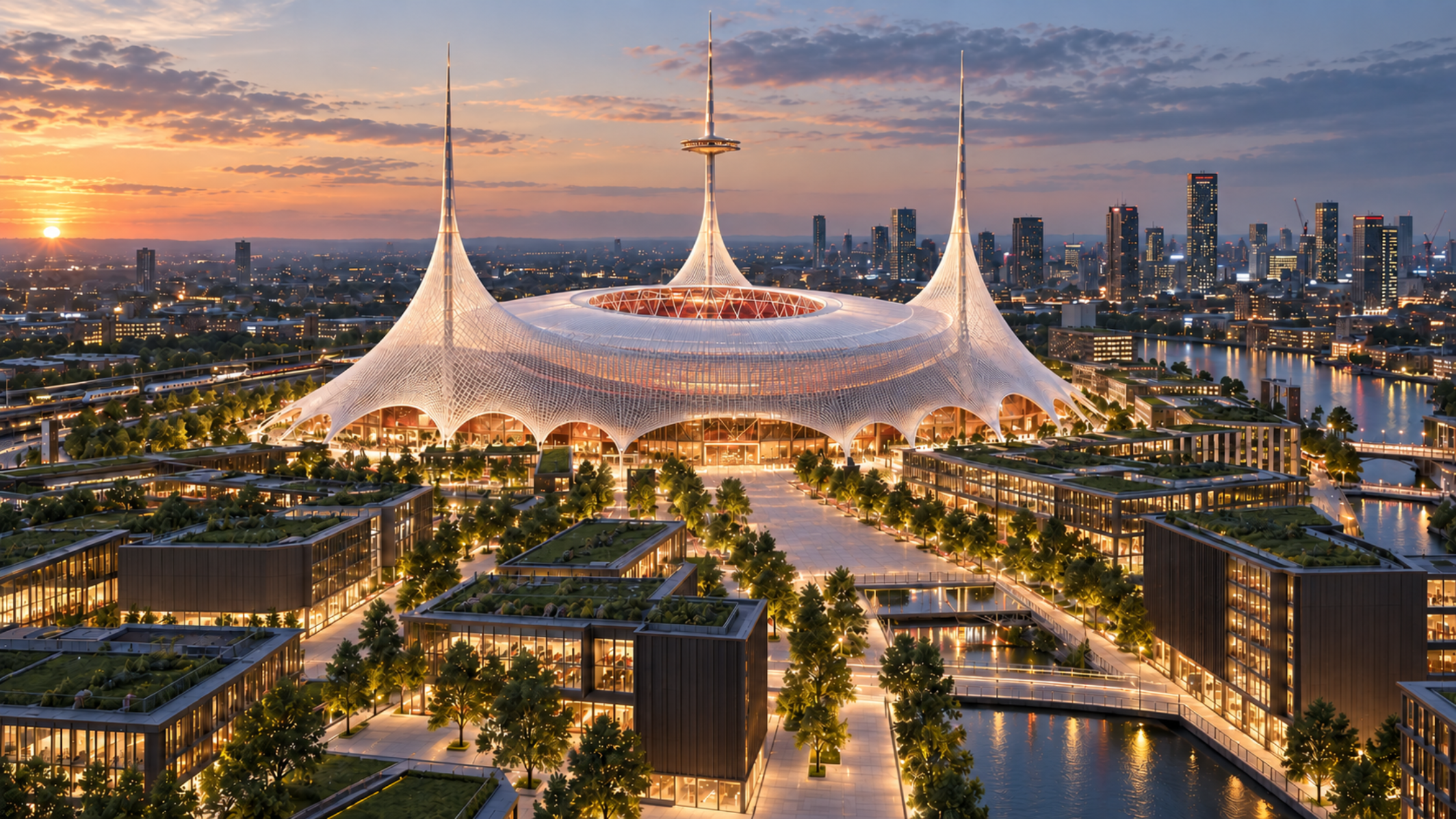
Manchester United have taken one of the most significant steps yet in their plans to build a new 100,000-seat stadium. The club’s CEO, Omar Berrada, confirmed that an important phase of the project has been completed with the acquisition of land that will form part of the proposed site for the Red Devils’ new home.
The confirmation came on September 23, as part of Manchester United’s announcement of its financial results for the 2026 fiscal year. Berrada stressed that, alongside financial stability and the development of the club’s teams, the new stadium project remains one of United’s key long-term priorities.
“Our other major area of focus is the plan to develop a new 100,000-seat stadium. We have now completed the major step of securing the land that will form part of the proposed site for the new stadium,” Berrada said.
The road to this point began several months earlier. In June, Manchester United announced that it had purchased a plot of around 25 acres, located approximately 350 metres northwest of the current Old Trafford stadium. The land was acquired from Indurent, a company within Blackstone’s portfolio, with the club stating at the time that the agreement had secured most of the space required for the project.
The decision to keep the proposed site close to the existing stadium is particularly important for United. Rather than moving away from an area the club has called home for more than a century, the intention is for the new stadium to remain at the heart of the Old Trafford district.
If the project is completed as planned, the 100,000-seat stadium would become the largest sporting venue in the United Kingdom. It would represent a significant increase in capacity compared with the current Old Trafford, which can accommodate just over 74,000 spectators.
The club is working with Trafford Council and the Old Trafford Regeneration Mayoral Development Corporation on a wider project aimed at delivering new housing, improved infrastructure, jobs, and additional commercial and entertainment facilities. According to plans previously announced by the club, the broader regeneration scheme covers around 370 acres and has the potential to provide approximately 15,000 new homes and tens of thousands of jobs.
Securing the land does not mean construction will begin immediately, as the project still needs to go through further development and planning stages. However, with one of the biggest practical obstacles now removed, the vision of a new 100,000-seat stadium has moved significantly closer to becoming a reality.