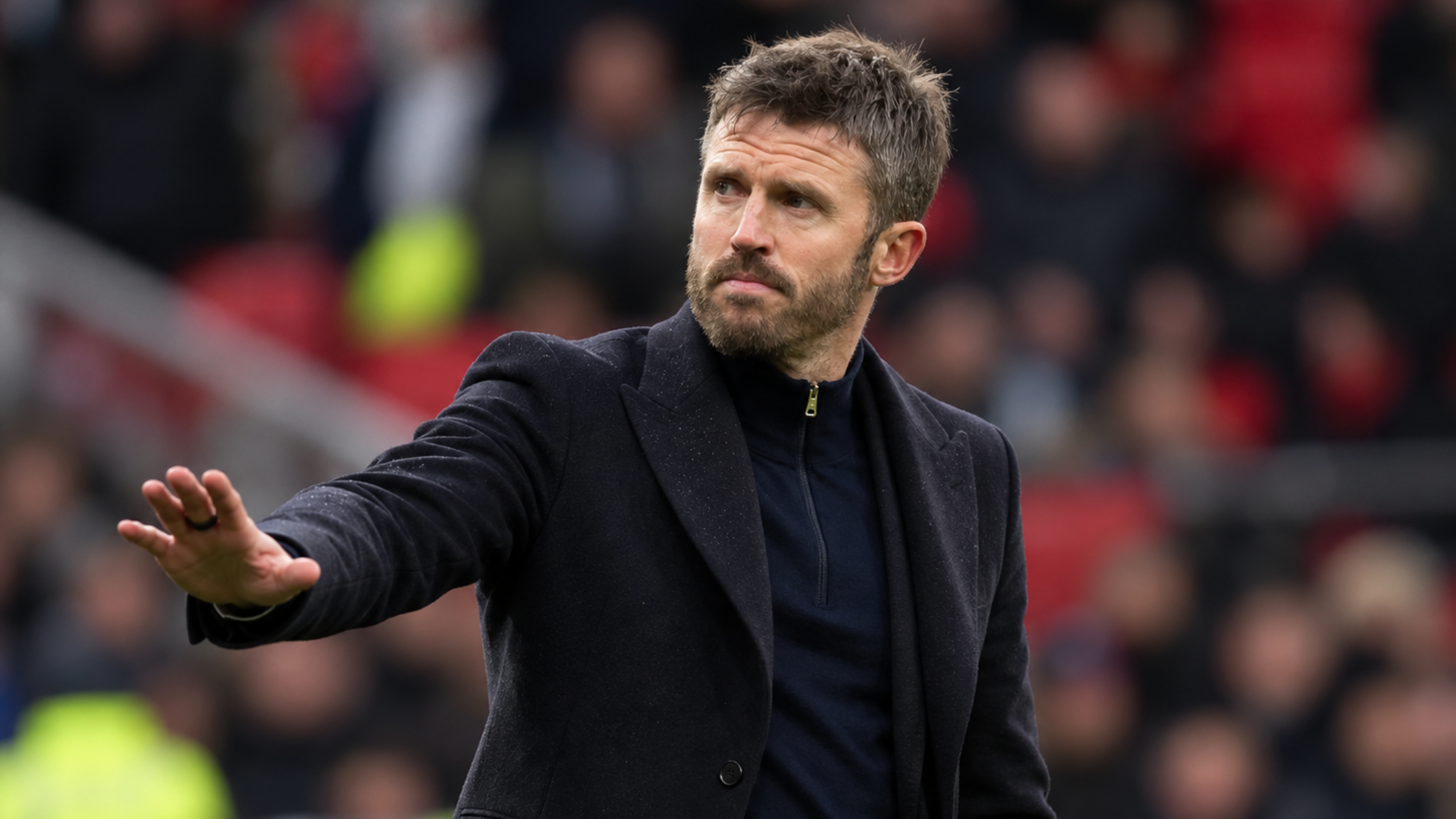
Manchester United find themselves in trouble once again. After eight Premier League matches, the English giants sit 16th in the table with just seven points, while a convincing 3-0 defeat to Bournemouth at Old Trafford has piled further pressure on Michael Carrick.
But United’s problems did not begin this season, nor can they be blamed on any single manager. Behind the poor results lie years of financial strain, changes in leadership and a lack of consistency in the club’s sporting strategy.
The Glazers’ Legacy: Financial Burdens and Years of Underinvestment
The roots of Manchester United’s current struggles are often traced back to 2005, when the Glazer family acquired the club through a takeover financed largely by borrowed money. The deal saddled United with substantial debt, which continued to weigh on the club’s finances over the following two decades.
Between the takeover and 2025, the club spent approximately £1.2 billion on interest payments, debt repayments, dividends and other payments associated with its owners. Those financial commitments remain a serious concern. By the end of December 2025, United’s total debt and other liabilities, including outstanding transfer fees, had reportedly reached around £1.29 billion.
The consequences have extended well beyond the balance sheet. Leaks in Old Trafford’s roof and outdated facilities at the Carrington training complex raised questions for years about how the club’s infrastructure was being maintained. For an organisation with United’s revenue and global reach, these shortcomings became symbols of a much wider frustration with the way the club was being run.
There is, however, another side to the financial picture. United remain one of football’s most commercially powerful brands, while Sir Jim Ratcliffe’s arrival has brought fresh capital and investment in infrastructure. The challenge now is to turn that spending into a foundation for sustained success on the pitch.
INEOS and the Club’s Leadership: Change Without Continuity
INEOS taking control of United’s football operations was supposed to mark the beginning of a new era. The aim was to establish a modern sporting structure, with clearly defined responsibilities and a long-term approach to recruitment, coaching appointments and player development.
Yet some of the early decisions raised doubts about the stability of the new project. Perhaps the clearest example was the departure of sporting director Dan Ashworth in December 2024, just five months after officially joining the club. United had previously invested considerable time and money in bringing him in from Newcastle.
Similar questions emerged over the club’s managerial decisions. Ruben Amorim arrived with a clearly defined tactical philosophy, but disagreements over formations, recruitment and the direction of the team gradually strained his relationship with the leadership. The Portuguese manager was dismissed in January 2026, once again raising the question of whether United had a shared vision of how the team should play.
Chief executive Omar Berrada and director of football Jason Wilcox have important roles in putting that vision into practice. Their work should not be judged solely on short-term results, but the constant changes have reinforced the impression that United are still trying to answer a fundamental question: what kind of team are they actually trying to build?
The situation becomes even more complicated when recruitment decisions are shaped by the demands of different managers. Players signed to fit one system are not necessarily suited to another, leaving the club with an unbalanced squad, significant financial commitments and limited tactical flexibility.
Carrick, the Players and the Same Old Problems
Michael Carrick took charge in January 2026 and initially oversaw a significant improvement in results. United finished the previous season in third place, securing Champions League qualification, and the former midfielder was rewarded with a contract running until 2028. The start of the new campaign, however, has told a very different story.
After eight Premier League fixtures, United have recorded just one win, four draws and three defeats. Particularly concerning was the loss to Bournemouth, which extended their winless run to eight matches in all competitions.
The problems have been evident in United’s defensive organisation, their reactions after losing possession and their inability to take control of matches.
The relationship between Carrick and captain Bruno Fernandes has also come under scrutiny. Following a heavy Champions League defeat to Como, the Portuguese international publicly questioned the team’s tactical approach. Carrick subsequently left him on the bench against Bournemouth, insisting that the decision was made for footballing reasons.
Such incidents inevitably raise questions about discipline, confidence and accountability within the dressing room. Still, poor performances alone do not prove that players are lacking effort or commitment. Results can be influenced by several factors, from tactical issues and injuries to a squad that lacks the right balance.
Over the past decade, managers including Louis van Gaal, José Mourinho, Ole Gunnar Solskjær, Erik ten Hag and Ruben Amorim have all arrived with different ideas. Yet none managed to restore United to the top of English football on a lasting basis.
That is why another managerial change would not necessarily solve the problem. Carrick must take responsibility for the team’s current results, but meaningful long-term improvement also depends on the people making decisions above him.
Manchester United do not lack financial resources, history or support from their fans. What they have struggled to establish for years is continuity, from the boardroom and transfer strategy to managerial appointments and the team’s identity on the pitch.
Until those elements begin working together as part of a coherent system, every new managerial appointment will bring renewed hope, but no guarantee that United have finally found a way out of their crisis.